



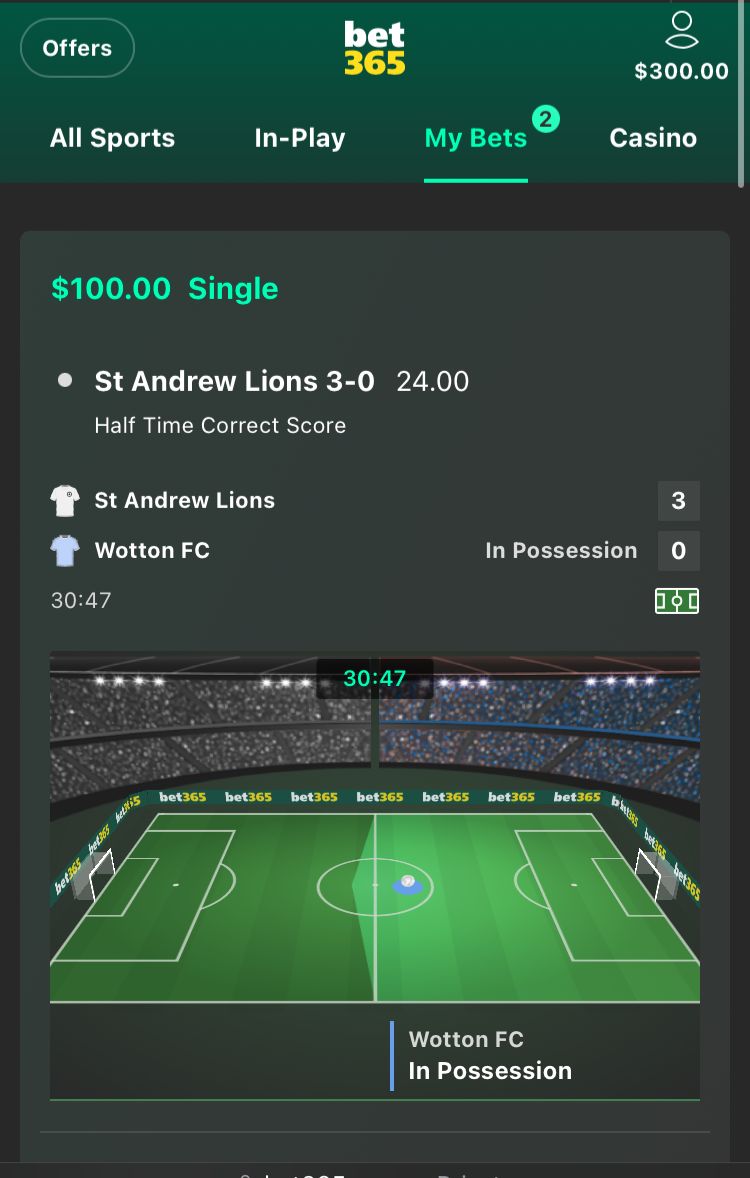







































Netherlands Football Prediction Insights – Analytical Approaches for Smart Betting
Netherlands Football Prediction Insights – Analytical Approaches for Smart Betting
At Netherland Football Analytics, we focus on helping bettors understand how to make informed decisions based on statistical analysis, historical trends, and probability modeling — not on unrealistic claims of guaranteed outcomes. Whether you’re betting on Eredivisie, KNVB Cup, or international fixtures, a data‑driven approach is key to improving long‑term performance.
In this comprehensive guide, we explore the most effective ways to analyze matches, leverage correct score probabilities, and manage risk with disciplined betting strategies. We also highlight trusted resources from around the world so you can broaden your analytical perspective.
Understanding Match Prediction Fundamentals
Good prediction starts with **contextual match evaluation**. This includes:
- Team Form: Recent results, scoring consistency, and defensive records matter more than historical reputation.
- Player Availability: Injuries, suspensions, and lineup changes can dramatically shift a team’s profile.
- Tactical Approach: Differences in tactics (defensive vs. attacking mindset) influence goal probability and match flow.
- Motivation & Stakes: Teams fighting relegation or chasing titles often display higher intensity than mid‑table sides.
By analyzing these elements, you can derive probability estimates for outcomes like win/draw/lose and likely score ranges.
Correct Score Prediction Techniques
Correct score markets are among the most challenging but rewarding when approached analytically rather than intuitively. Instead of guessing scores, apply a structured method:
- Goal Expectancy Models: Look at average goals scored and conceded over recent matches. Tools like expected goals (xG) are especially useful here.
- Score Distribution: Evaluate historical frequencies of 0–0, 1–1, 2–1, and similar scores for comparable teams.
- Tactical Indicators: Teams with strong defensive systems often produce lower scorelines, while open tactical clashes trend toward higher totals.
For example, if Team A has conceded few goals but scores consistently at home, a 1–0 or 2–1 scoreline might be more probable than an outlier like 4–3.
Probability and Odds Interpretation
Understanding how bookmakers set odds helps you find value. Odds reflect the implied probability of an outcome:
- Convert odds to probability: A simple formula is 1 ÷ decimal odds = implied probability.
- Comparative Analysis: Compare implied probabilities with your own model estimates to find mispriced outcomes.
If your analytical model gives a 45% chance of a home win and the implied probability from the odds is 35%, there may be value in placing a bet. This kind of disciplined evaluation reduces guesswork and increases strategic control.
Risk Management & Bankroll Strategies
Even the best analytical approach can’t eliminate risk — so managing your betting capital wisely is essential. Key principles include:
- Unit Betting: Allocate a fixed percentage of your bankroll per bet to avoid overexposure.
- Diversification: Spread bets across markets (1X2, correct score, total goals) with different risk levels.
- Track Performance: Use a betting journal to record bets, outcomes, and lessons learned.
- Discipline: Avoid emotional decisions or chasing losses — this is where analytics protects you most.
Trusted Global Analysis Networks
To strengthen your football analysis, consider insights from international prediction platforms that provide statistical tools, trend reports, and performance models:
- Australia Football Analytics – Covers global football trends with data focus
- Europe Football Analysis – European league statistical breakdowns
- Spain Predictions & Trends – Detailed La Liga and Spanish football metrics
- China Betting Insights – Asian market analysis and probability modeling
- US Football Stats – Tools for match evaluation and outcome prediction
Additional resources that complement analytical betting include:
- Japan Football Analytics – Japanese league trends and metrics
- Correct Score US – Correct score modeling and insights
- Las Vegas Betting Models – Odds interpretation and prediction techniques
- Switzerland League Analysis – Swiss football statistics
- London Correct Score – Score distribution tools
- Italy Football Analytics – Serie A & Serie B trend evaluation
- UK Correct Score Guides – British league modeling
- Greek League Predictions – Greek football data insights
Practical Example: Analyzing a Dutch League Match
Let’s apply these methods to a hypothetical Eredivisie fixture between Ajax and AZ Alkmaar:
- Performance Trends: Ajax has scored an average of 2.4 goals per game at home over the last 10 matches.
- Defensive Metrics: AZ Alkmaar has conceded only 1.1 goals per game in away fixtures.
- Head‑to‑Head History: The last five meetings saw an average of 3 total goals, with most scorelines around 2–1 and 2–0.
Based on this data, a probability model might suggest that total goals over 2.5 is a reasonable projection. A correct score scenario like 2–1 could be statistically well‑supported — all without implying any unethical match manipulation.
Conclusion: Why Analysis Matters
Effective football prediction is about understanding probability, patterns, and performance — not about chasing unrealistic guarantees. By using statistical tools, trend evaluation, and risk management, you can make smarter, more informed betting decisions that align with your long‑term goals.
Netherland Football Analytics encourages responsible betting powered by insight, data, and disciplined strategy. Apply analytical thinking to elevate your football forecasting and enjoy the game with informed confidence.
Discussion ¬